People arrive at alcohol rehabilitation with different histories and goals. Some want full abstinence. Others want to stop morning withdrawal and heavy binges but are not ready to declare never again. Medication assisted treatment, or MAT, has a place across that spectrum, but it is not a silver bullet. When used well, medications reduce risk and strengthen recovery. Used poorly, they waste precious time, or worse, give a false sense of security while underlying risks grow. The difference often comes down to fit, timing, and follow through.
I have sat with patients who had tried white knuckle sobriety half a dozen times, each attempt ending in withdrawal, shame, and a return to the same pattern. I have also watched a young parent keep her job and reunite with her kids because a monthly injection took the edge off cravings long enough for therapy and routine to take hold. Good outcomes do not come from pills alone. They come from matching the right medication to the right person, and pulling those levers alongside counseling, social supports, and the practical problem solving that keeps a life from unraveling.
What medications can realistically offer
Most people do not need a pharmacology lecture. They want to know whether a medication will make today’s fight easier, and what it will cost them in side effects, effort, or autonomy. Across studies, evidence based medications for alcohol use disorder help in three main ways: reducing heavy drinking days, increasing the number of alcohol free days, and decreasing relapse risk after a period of abstinence. When these medications are taken consistently and combined with counseling, typical improvements land in the range of 10 to 20 more alcohol free days over a few months, and a reduction in the proportion of days with heavy drinking by a similar margin. Those are averages. For a subset, the effect is larger. For others, it is modest.
Importantly, no medication replaces the need to manage triggers, build routines, and fix the practical holes that alcohol created. Medications shift the odds and buy time. They can make it possible to get through a late afternoon craving without stopping at the store, or to attend a family event without spiraling afterward. In the context of alcohol rehab or ongoing alcohol rehabilitation, that extra space often determines whether therapy sticks and whether people reach for skills under stress.
The key players and where they tend to fit
Several medications have good evidence and are used widely in primary care and specialty addiction clinics. The choice depends on liver and kidney health, co occurring conditions, prior responses, and personal preference about daily pills versus injections. Real life factors matter, like whether someone can reliably take a midday dose or will only manage something weekly or monthly.
Naltrexone blocks the euphoric reinforcement from drinking, which flattens the urge to continue after the first drink. It works whether the goal is abstinence or cutting down, though it performs best when someone is trying not to drink at all. It comes as a daily pill and as a monthly intramuscular injection. Because naltrexone is an opioid blocker, it cannot be used with prescribed or illicit opioids. You need a 7 to 10 day opioid free window before starting, or you risk precipitated withdrawal from opioids. For alcohol, naltrexone can be started while someone is still drinking, but many clinicians wait until at least a few days of abstinence if the person can manage it. We monitor liver enzymes because high dose or long term use in the setting of active hepatitis can be risky. Most patients tolerate it well, with occasional nausea or fatigue in the first week.
Acamprosate helps the brain’s excitatory and inhibitory systems settle after chronic alcohol use. Many people describe it as quieting the background static and irritability that hits in early sobriety. It does not help if someone is still drinking regularly. The dosing is three times per day, which is not ideal for everyone. The upside is that the kidneys clear it, so it is much safer in people with liver disease. We avoid it when kidney function is severely reduced, and we reduce the dose if kidney function is moderately impaired. The most common side effect is diarrhea that often improves after the first couple of weeks.
Disulfiram, an old option, turns any alcohol exposure into an unpleasant reaction. Even small amounts can trigger flushing, rapid heart rate, nausea, and pounding headache. It works not by removing cravings but by making impulsive drinking a bad bet. When taken under supervision, it can be effective, especially in people whose pattern is episodic bingeing after a stretch of sobriety. The drawback is adherence. Many people skip the pill on the day they plan to drink, which cancels the deterrent effect. We also avoid disulfiram in people with significant heart disease, psychosis, or poorly controlled liver disease. It requires careful review of hidden alcohol in mouthwashes, cough syrups, and sauces.
Several off label options have credible evidence, particularly for people who have not matched well with the primary agents. Topiramate, an anticonvulsant, can reduce heavy drinking days and dampen cravings. It is titrated slowly to avoid cognitive side effects like word finding problems or mental slowing. It also causes tingling in fingers or taste changes. Gabapentin helps with anxiety, sleep, and post acute withdrawal symptoms, and can reduce drinking for some people. It has misuse potential, particularly in combination with opioids, so we use it thoughtfully and with monitoring. Baclofen has been studied in people with advanced liver disease who cannot take naltrexone. Results are mixed, but it can be helpful with careful dose titration because sedation is common.
In alcohol rehab, the sequence often goes like this. Stabilize withdrawal safely, protect the brain with thiamine, establish a few days of sobriety, then choose a maintenance medication that fits. If someone is drinking despite naltrexone after a fair trial, we switch to acamprosate or add topiramate. If adherence is the barrier, we consider the monthly injection. It is not always linear. A person with cirrhosis and unstable housing needs a different plan than a person with stable housing, no liver injury, and predictable routines.
Withdrawal is its own medical problem
Alcohol withdrawal is not a character test. It is a physiologic rebound that ranges from tremor and sweats to seizures and delirium. The timeline typically starts 6 to 12 hours after the last drink with anxiety, shakes, and insomnia. Seizures cluster between 6 and 48 hours. Delirium tremens, which can be fatal without treatment, usually appears around day 3 to 5. This is one place where medication is non negotiable. Benzodiazepines like diazepam and lorazepam are first line. In emergency or inpatient settings, phenobarbital or adjunctive agents like clonidine or dexmedetomidine help manage severe autonomic symptoms. For milder cases, gabapentin can be an outpatient option when carefully supervised, though it does not replace benzodiazepines for high risk patients.
Every person at risk for withdrawal deserves thiamine before any glucose containing fluids or alcohol rehab near me food. This simple step prevents Wernicke encephalopathy and the permanent memory damage of Korsakoff syndrome. In practice, that means intravenous or intramuscular thiamine in the hospital, and high dose oral thiamine during early recovery for outpatients.
Once the acute phase ends, post acute symptoms linger for weeks. Irritability, poor sleep, startle responses, and low mood are common. This is where acamprosate or gabapentin often earns its keep, and where expecting people to muscle through without support backfires.
Matching medications to real lives
The best medication is the one a person can and will take. That sounds obvious, but the details trip people up. Daily oral naltrexone is a good first step if liver enzymes are acceptable and there is no opioid use. If mornings are chaotic and evenings are more predictable, we move the dose to dinner. If swallowing pills is a barrier, or if someone misses doses frequently, the injection helps. Patients who travel for work or have unstable schedules often prefer the injection because it removes the daily decision.
Acamprosate’s three times daily dosing is a test. Some people set phone alarms and build it into meals. Others inevitably miss the midday dose and get discouraged. I reserve it for people who can describe where the pills will live and how they will remember them, or for those who need a liver safe option.
Disulfiram can be transformative with the right scaffolding. In a supervised setting, such as a daily check in at an alcohol rehabilitation program or a trusted partner handing over the pill each morning, it dramatically reduces impulsive relapses. Without supervision, its effect fades quickly.
Off label agents are tools, not consolation prizes. Topiramate is worth discussing if weight gain is a worry and cognitive side effects are tolerable. Gabapentin is useful when insomnia and anxiety dominate the return to sobriety. For people with advanced liver disease, baclofen or acamprosate are go to options, with careful dose adjustments.
What MAT cannot do
Medications do not fix unsafe housing, restore trust betrayed in a marriage, or repair a suspended driver’s license. They also do not dissolve trauma or major depression. They can lower the temperature of acute cravings, but they do not sterilize a life of triggers. Without attention to structure and meaning, the vacuum left by alcohol often fills with something else, whether that is workaholism, isolation, or a substitute substance.
Medications do not force honesty. People can drink on naltrexone or acamprosate. The point is not to create a trip wire that punishes a slip, but to change the probabilities and make slips smaller and less frequent. When families think a shot or a pill will guarantee safety, everyone gets blindsided the first time that does not happen. Setting correct expectations at the start prevents that sense of betrayal and keeps the focus on course corrections rather than blame.
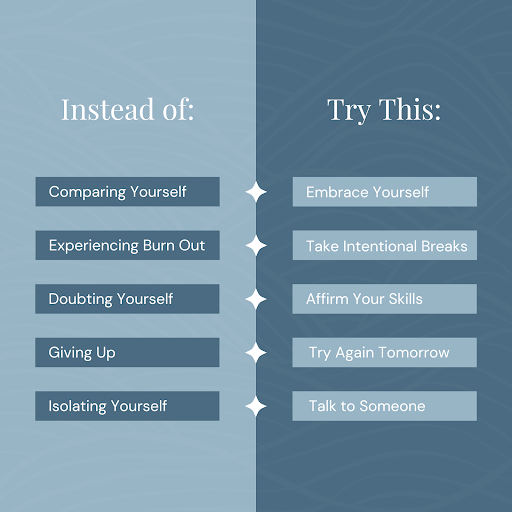
Finally, MAT does not replace therapy. Skills for craving surfing, relapse prevention, relationship repair, and emotion regulation still matter. Cognitive behavioral therapy, motivational interviewing, trauma informed care, and mutual help groups each serve different needs. The medication gives bandwidth. The therapy fills it with something better.
Safety, side effects, and the boring but crucial monitoring
The logic of using a medication to treat a substance problem is simple, but the safety work is not optional. Before starting naltrexone, we screen for opioid use with careful history and, when unsure, a urine test. We counsel about pain management plans, since an unexpected surgery in someone taking an opioid blocker creates a difficult situation. Liver enzymes guide the conversation, not an automatic no, because many people with mild to moderate elevation safely take naltrexone with monitoring.
With acamprosate, kidney function dictates dosing. People with severe kidney disease typically need a different approach. Diarrhea is common enough that I warn about it early, along with practical fixes like taking doses with food and staying hydrated. If it remains intolerable after a few weeks, we switch.
Disulfiram requires a thorough review of hidden alcohol sources. Mouthwash and hand sanitizer are frequent surprises. Lapses happen in the grocery aisle when someone grabs cooking wine for a recipe. People with a history of psychosis or severe depression may worsen on disulfiram. Baseline liver function tests and periodic checks reduce surprises.
Topiramate and gabapentin are tools, but they come with a contract. We talk openly about sedation and, in the case of gabapentin, misuse risk. For both, we schedule regular follow ups for dose adjustments and to watch for cognitive side effects.
Pregnancy requires a tailored plan. Data for naltrexone and acamprosate in pregnancy are limited. When someone becomes pregnant while on MAT, we discuss risks and benefits in plain terms and bring obstetrics into the loop. Avoiding withdrawal and stabilizing health become the top priorities. Breastfeeding considerations also enter the picture.
Timing and transitions in and out of higher levels of care
Alcohol rehab is not one thing. It ranges from a week of inpatient detoxification to months of intensive outpatient therapy with medication management. Each setting offers different chances to start or adjust MAT. In the hospital, we stabilize withdrawal and frequently start naltrexone or acamprosate before discharge, with a follow up plan in place. The danger zone is the 72 hours after leaving a structured setting. If a follow up visit or injection appointment is not on the calendar, the momentum fades.
People often worry that starting MAT before finishing therapy will blunt motivation. In my experience, the opposite is true. Removing daily battles for a few weeks creates space to work on the things that keep people sober: routines, relationships, money management, and joy. I would rather see someone start naltrexone in week one and attend therapy with a quieter mind than wait for perfect motivation that rarely appears in the noise of early recovery.
Harm reduction versus abstinence
The debate here is more philosophical than medical, but it matters when choosing medications and defining success. Naltrexone lends itself to harm reduction because it reduces the rewarding punch of a lapse and often turns a planned bender into a single drink or a night of moderate use. Acamprosate and disulfiram fit better with abstinence goals. I try to meet people where they are. If someone wants to cut heavy drinking to weekends while building toward abstinence, naltrexone is a practical starting point. If someone is terrified of another binge and likes clear rules, disulfiram with supervision matches that mindset.
In all cases, we measure success in concrete terms: fewer emergency visits, no missed workdays in a month, two evenings per week with family, blood pressure that trends down as alcohol intake falls. The win is not just a lab value or a day count. It is the return of reliability.

Insurance, access, and the unglamorous barriers
The monthly naltrexone injection is expensive without insurance coverage, often hundreds to over a thousand dollars. Prior authorizations can delay the first dose beyond the window of early motivation. Pill versions are inexpensive, but pharmacies sometimes run out of stock right when someone is ready to start. Acamprosate is generic but not always on hand, and the three times daily dosing is hard for shift workers. Rural clinics may not have anyone trained or comfortable with addiction pharmacotherapy, so primary care ends up carrying the load.
Workarounds exist. Some community health centers have standing protocols that let nurses give the injection once a prescriber signs off. Mail order pharmacies can bridge inventory gaps. In alcohol rehabilitation programs, a simple paper calendar with checkboxes for doses still beats a vague plan. If a person leaves detox on a Friday, scheduling the first outpatient visit for Monday with the prescription already at their pharmacy avoids the most dangerous gap.
How to make MAT work in the real world
- Decide on the immediate goal and choose a medication that matches it, then schedule the first follow up before the first dose. Solve the adherence problem out loud. Who hands you the pill, when, and where does it live. If those answers are wobbly, consider the injection or a different agent. Plan for side effects. Write down what is expected in week one, and when to call. Side effects unspoken become reasons to stop. Build two supports beyond medication: one person to tell the truth to, and one predictable weekly activity that has nothing to do with drinking. Expect to adjust. If the first agent helps a little but not enough, switch or add. A fair trial is usually 4 to 6 weeks, not 4 to 6 days.
Case notes that show the range
A construction foreman with two decades of nightly drinking wanted to quit but feared withdrawal because he had seized once in the past. He entered a three day inpatient detox, received benzodiazepines by symptom scale, and thiamine from the first hour. On day three, we started acamprosate because his liver enzymes were four times normal and ultrasound suggested fatty infiltration. He set alarms on his phone tied to meals. The first week home was rocky, mostly sleep and irritability, but the background hum eased by week three. He still had cravings on payday Fridays, so we added gabapentin at night for sleep and anxiety. At 90 days, he had two slips that stopped after a drink or two, and he was back to the gym three mornings a week. His labs normalized after six months.
A nurse in her early thirties had a pattern of three sober months followed by a brief but intense binge, then guilt. She had never engaged with therapy because the cycle felt inevitable. Oral naltrexone made her nauseated. We switched to the monthly injection and arranged the first dose in clinic the day after discharge from a partial hospitalization program. The first month, she felt tired for a few days after the shot and then fine. She still went to weddings and work events, but the sense of compulsion was gone. She started therapy for anxiety, and for the first time did not miss sessions after a stressful week. After six months, she chose to continue the injection, saying it felt like guardrails rather than handcuffs.
A retired man with cirrhosis had several failed attempts with naltrexone because of fatigue and rising liver enzymes. He and his wife committed to supervised disulfiram with a simple daily morning routine. He taped a list of products in the house that contained alcohol to the refrigerator, including the mouthwash he had used for years. He had one close call at a family dinner when a wine reduction sauce was served, which he skipped. The medication did not remove the desire to drink, but it made an impulsive decision much less likely. He also joined a small group at the local VA. A year later, his wife called to say they had taken their first vacation that did not revolve around avoiding bars.
The bottom line for patients and families
Medication assisted treatment in alcohol rehab is not about medicating character. It is about giving the brain and body a window to relearn normal. The best use of these medications is in concert with therapy, practical supports, and honest conversation. Expect them to change probabilities, not enforce abstinence by magic. If the first option does not match well, another often will. Above all, keep the goal concrete and the next appointment scheduled. That is how gains accumulate.
When to seek higher touch care
There are red flags that call for a step up. If someone has ever seized during withdrawal, if confusion or hallucinations appear, or if drinking continues despite known advanced liver disease, outpatient tinkering with medications is not enough. In those situations, a medically supervised setting is the safest path. People who live alone with severe depression or suicidality need added layers of observation while starting or adjusting medications. Those are not failures of will. They are triage decisions that save lives.
Where medications shine, and where judgment must fill the gaps
If there is a single theme in the field experience with MAT for alcohol use disorder, it is this: predictable medications and flexible judgment beat rigid plans. Naltrexone flattens the reward signal. Acamprosate smooths the static of early abstinence. Disulfiram creates a pause between urge and action. Off label agents fill gaps. They are powerful tools, but only in hands that notice the person in front of them. The craft lies in when to start, when to switch, and how to wrap the medication in routines that strengthen the rest of a life.
For anyone entering alcohol rehabilitation or supporting someone through it, that is an encouraging message. We have medications that work well enough to move the needle. We have learned how to combine them with behavioral care in practical ways. And we know their limits, which keeps us honest about doing the other work that recovery requires.

Promont Wellness
Address: 501 Street Rd, Suite 100, Southampton, PA 18966Phone: 215-392-4443
Website: https://promontwellness.com/
Hours:
Monday: Open 24 hours
Tuesday: Open 24 hours
Wednesday: Open 24 hours
Thursday: Open 24 hours
Friday: Open 24 hours
Saturday: Open 24 hours
Sunday: Open 24 hours
Open-location code (plus code): 5XG2+VV Southampton, Upper Southampton Township, PA
Map/listing URL: https://maps.app.goo.gl/Bp8NRhkmTf9gHJEc7
Socials:
https://www.facebook.com/PromontWellness/
https://www.instagram.com/promontwellness/
Promont Wellness provides outpatient mental health and addiction treatment in Southampton, serving individuals who need structured support while continuing with daily life responsibilities.
The center offers multiple levels of care, including partial hospitalization, intensive outpatient treatment, outpatient services, aftercare planning, and virtual treatment options for eligible clients.
Clients in Southampton and the surrounding Bucks County area can access support for mental health concerns, substance use disorders, and co-occurring conditions in one setting.
Promont Wellness emphasizes individualized treatment planning, trauma-informed care, and a client-focused approach designed to support long-term recovery and day-to-day stability.
The practice serves Southampton as well as nearby communities across Bucks County and other parts of southeastern Pennsylvania, making it a practical option for local and regional care access.
People looking for structured outpatient support can contact the center directly at 215-392-4443 or visit https://promontwellness.com/ to learn more about admissions and treatment options.
For residents comparing providers in the area, the business also maintains a public Google Business Profile link that can help with directions and listing visibility before a first visit.
Promont Wellness is positioned as a local option for people who want evidence-based behavioral health care in a professional office setting in Southampton.
Popular Questions About Promont Wellness
What does Promont Wellness do?
Promont Wellness is an outpatient behavioral health center in Southampton, Pennsylvania that provides mental health and substance use treatment, including support for co-occurring conditions.
What levels of care are available at Promont Wellness?
The center offers partial hospitalization (PHP), intensive outpatient programming (IOP), outpatient treatment, aftercare planning, and virtual treatment options.
Does Promont Wellness provide mental health treatment?
Yes. The practice publishes mental health treatment information for concerns such as anxiety, depression, bipolar disorder, schizophrenia, trauma, and PTSD.
Does Promont Wellness help with addiction treatment?
Yes. The website describes support for alcohol and drug addiction treatment along with recovery-focused outpatient services.
What therapies are mentioned on the website?
Promont Wellness lists therapy options such as cognitive behavioral therapy, dialectical behavior therapy, individual therapy, group therapy, family therapy, psychotherapy, relapse prevention, and TMS therapy.
Where is Promont Wellness located?
Promont Wellness is located at 501 Street Rd, Suite 100, Southampton, PA 18966.
What are the published business hours?
The contact page lists Monday through Friday from 8:00 AM to 9:00 PM, with Saturday and Sunday closed.
Who may find Promont Wellness useful?
People looking for outpatient mental health care, addiction treatment, dual-diagnosis support, or step-down programming after a higher level of care may find the center relevant.
Does Promont Wellness serve areas beyond Southampton?
Yes. The website includes service-area pages for Bucks County communities and nearby parts of Pennsylvania and New Jersey.
How can I contact Promont Wellness?
Phone: 215-392-4443
Facebook: https://www.facebook.com/PromontWellness/
Instagram: https://www.instagram.com/promontwellness/
Website: https://promontwellness.com/
Landmarks Near Southampton, PA
Tamanend Park – A well-known Upper Southampton park at 1255 Second Street Pike with trails, open space, and community amenities that many local residents recognize immediately.Second Street Pike – One of the main commercial corridors in Southampton and a practical reference point for local driving directions and nearby businesses.
Street Road – A major east-west route through the area and one of the clearest roadway references for visitors heading to appointments in Southampton.
Old School Meetinghouse – A historic Southampton landmark associated with the community’s early history and often used as a local point of reference.
Churchville Park – A large nearby park area often recognized by residents in the broader Southampton and Bucks County area.
Northampton Municipal Park – Another familiar recreational landmark in the surrounding area that can help orient visitors traveling from nearby neighborhoods.
Southampton Shopping Center – A recognizable retail area along the local commercial corridor that many residents use as a simple directional reference.
Hampton Square Shopping Center – A nearby shopping destination that can help users identify the broader Southampton business district.
Upper Southampton Township municipal and recreation areas – Useful local references for users searching for services in the township rather than by ZIP code alone.
Bucks County service area references – For patients traveling from neighboring communities, Southampton serves as a convenient treatment hub within the larger Bucks County region.
If you are searching for outpatient mental health or addiction treatment near these Southampton landmarks, call 215-392-4443 or visit https://promontwellness.com/ for current program information and directions.